
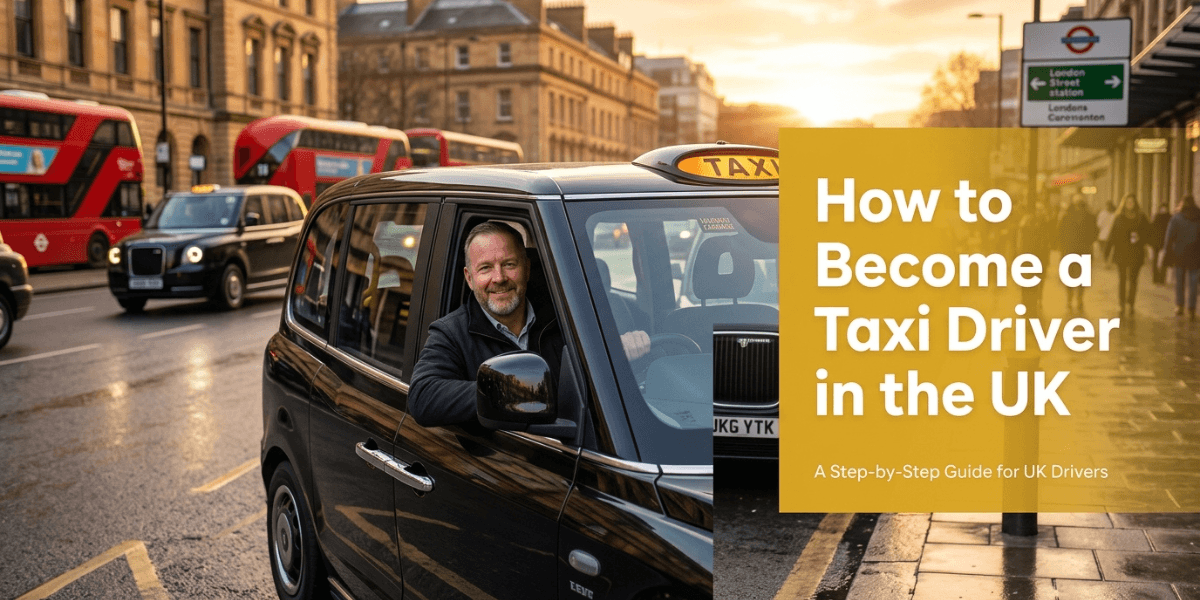
Becoming a taxi driver in the UK can offer a flexible way to earn a living while working independently and serving passengers in your local area. However, getting behind the wheel professionally involves more than having a full driving licence. Drivers must meet licensing requirements, complete any required checks or training, and understand the rules set by their local authority.
Knowing what qualifications, documents and practical steps are involved can help you navigate the process and start your taxi driving career with confidence. This guide walks you through everything you need to know, from eligibility to licensing.
Who Can Become a Taxi Driver in the UK?
Taxi driving is a genuinely open profession, and you don’t need a university degree or years of specialist training to get going. That said, every local council sets its own rules, so requirements can look slightly different a few miles down the road. Still, some common threads run through almost every licensing authority in the country.
Generally speaking, you’ll need to:
- Hold a full driving licence, usually for a minimum length of time before you apply
- Be considered a “fit and proper person” by your local licensing authority
- Pass an enhanced background check
- Meet the minimum age requirement set by your council
- Be able to communicate clearly in English
None of these hurdles are designed to catch people out. They exist to protect passengers and keep standards consistent, so it’s worth treating each one as a normal part of the process.
What Are the Requirements to Become a Taxi Driver?
Once you know you’re eligible in principle, the next question is practical: what paperwork and checks will your council actually ask for? Specifics vary by area, but most councils work through the same core checklist.
Driving Licence Requirements
Your driving licence is the foundation of your application. Councils typically want to see a clean, or reasonably clean, driving history, and some will ask you to have held your licence for a set period before you’re eligible to apply for a taxi badge. It’s worth checking your own licence details against your local authority’s published criteria before going further.
DBS Check and Background Checks
Because taxi drivers regularly work alone with members of the public, including children and vulnerable adults, an enhanced Disclosure and Barring Service check is a standard part of the process. This isn’t a one-off formality either; most councils will ask you to renew it periodically to keep your licence active.
Medical Fitness Assessment
You’ll also need to prove you’re medically fit to drive professionally. This usually means a medical examination carried out by your GP or an approved practitioner, assessed against the higher standard used for vocational drivers rather than the standard required for an ordinary licence.
Local Knowledge and Topographical Test
Many councils, particularly for hackney carriage licences, expect drivers to demonstrate a solid understanding of the local area. This might involve a written or practical test covering routes, landmarks, and local geography, so a bit of revision goes a long way here.
How to Apply for a Taxi Driver Licence?
Once you’ve got a handle on the requirements, the application process itself is fairly linear. Breaking it into stages makes it far less daunting.
Step 1: Decide Between Hackney Carriage and Private Hire
Before you apply, it helps to understand the difference between the two main types of licence. Hackney carriages can be flagged down on the street or picked up from a taxi rank, while private hire vehicles must be pre-booked through an operator. Your choice will shape the rest of your application, including which knowledge tests apply and what kind of vehicle you’ll eventually need.
Step 2: Submit Your Application to the Council
With your licence type decided, you’ll submit an application to your local licensing authority, along with supporting documents such as proof of identity, your driving licence, right-to-work evidence, and any relevant certificates. Councils are generally clear about what they need, so read the guidance thoroughly before submitting anything.
Step 3: Complete Checks, Tests and Training
From here, you’ll move through the DBS check, medical assessment, and any local knowledge or driving tests your council requires. Some areas also ask newcomers to complete a short training course covering safeguarding, disability awareness, and customer service.
If you’re already thinking ahead to where you might put your new badge to use, it’s worth having a conversation with an established local operator such as Gold Line Taxis in St Albans, who regularly welcome licensed drivers looking to join a reputable, established team.
How Much Does It Cost to Become a Taxi Driver?
Costs vary considerably depending on your council, licence type, and vehicle choice, so it’s difficult to put an exact figure on the process. Instead, it helps to think in terms of the categories you’ll likely need to budget for:
- Your licence application fee, paid to the local council
- The cost of your enhanced DBS check
- A medical examination fee
- Any local knowledge test or training course fees
- Vehicle costs, whether you’re buying, leasing, or adapting a car to meet licensing standards
- Specialist taxi insurance, which differs from standard car cover
Because these figures shift from one authority and insurer to another, check directly with your local council and a specialist insurer for figures relevant to your situation.
Can You Use Your Own Car as a Taxi?
In many cases, yes, you can use your own vehicle, provided it meets your council’s licensing standards. However, not every car will qualify straight away, so it’s worth checking the rules before you commit to a particular vehicle.
Vehicle Standards and Inspections
Councils typically set requirements around a vehicle’s age, condition, emissions, and seating capacity, and most also require a specialist inspection before a car can be licensed and “plated” for taxi work. Regular re-inspections are usually required too, to make sure the vehicle stays roadworthy throughout its working life.
Insurance for Taxi Drivers
Standard car insurance won’t cover you for taxi work. You’ll need a specific hire-and-reward policy designed for licensed taxi and private hire drivers, which reflects the extra time you’ll spend on the road and the passengers you’ll be carrying.
Building Your Career as a Taxi Driver
Once you’re fully licensed, the real work of building a career begins. Many drivers work independently or join firms for steady bookings and brand trust. Firms offering additional services, such as pre-arranged airport meet-and-greet services, can be a good fit if you’re aiming for long-term, reliable custom rather than relying purely on passing trade. Gold Line Taxis is one such operator worth researching as you plan your next steps.
FAQs
Yes. Besides a standard driving licence, you’ll need a taxi driver licence from your local council, which involves DBS checks, a medical exam, and often a local knowledge test.
It depends on your council. Minor points may not disqualify you, but each licensing authority has its own standards for an acceptable driving record, so check with them.
Many councils, especially for hackney carriage licences, require a topographical or “knowledge” test on local routes and landmarks. Requirements vary; check your council’s expectations.
Hackney carriages can be hailed or picked up at ranks, while private hire vehicles must be pre-booked. The application process and vehicle rules differ slightly.
Renewal periods are set by individual councils and typically involve repeating checks such as your DBS and medical assessment to keep your licence valid.
Final Thoughts
Becoming a taxi driver in the UK is a genuinely achievable goal for most people, provided you’re prepared to work through the checks, tests, and paperwork that keep the industry safe and professional. From proving your eligibility and passing your DBS check to choosing the right vehicle and insurance, every step protects both you and your passengers. Take it one stage at a time, lean on your local council’s guidance, and you’ll find the path to your taxi badge is far more straightforward than it first appears.
